Embracing Mistakes: How First-Time Travelers Can Turn Errors into Adventures
- Feb 19
- 3 min read
Traveling for the first time often comes with a mix of excitement and anxiety. Many first-time travelers expect everything to go smoothly, but the reality is that mistakes happen. Missed flights, overpacked bags, or getting lost in a new city are common experiences. These moments might feel frustrating at the time, but they are part of the journey and offer valuable lessons. What really counts is how you handle these challenges. Staying calm and flexible can transform small setbacks into memorable stories and build your confidence for future trips.
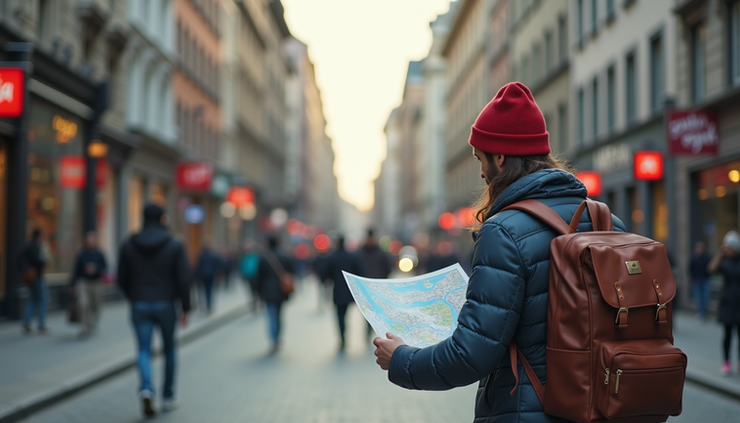
Common Mistakes First-Time Travelers Make
Many beginners fall into similar traps, often because they try to plan everything perfectly or underestimate the unpredictability of travel. Here are some frequent errors:
Overpacking: Bringing too many clothes or unnecessary items can weigh you down and make moving around harder.
Ignoring local customs: Not researching cultural norms can lead to awkward or uncomfortable situations.
Underestimating travel time: Rushing to catch connections or tours without buffer time often causes stress.
Not having backup plans: Relying on a single mode of transport or accommodation can leave you stranded if something goes wrong.
Over-scheduling: Trying to fit too many activities into one day can lead to exhaustion and less enjoyment.
Recognizing these common pitfalls helps you prepare better and accept that some mistakes are part of the process.
Why Mistakes Are Actually Good for You
Mistakes during your first trip are not failures. They are opportunities to learn and grow. Here’s why they matter:
Build resilience: Facing unexpected problems teaches you to stay calm and find solutions.
Improve planning skills: After a missed bus or a wrong turn, you learn to plan with more flexibility.
Discover new experiences: Sometimes a wrong turn leads to a hidden gem you wouldn’t have found otherwise.
Boost confidence: Each challenge you overcome makes you more comfortable with travel.
For example, a traveler who missed a train in Italy ended up chatting with locals at a small café while waiting for the next one. That unplanned stop became a highlight of the trip.
How to Respond When Things Go Wrong
Your reaction to travel hiccups shapes your overall experience. Here are some tips to turn mistakes into adventures:
Stay calm: Take a deep breath and remind yourself that most problems are temporary.
Be flexible: Adjust your plans instead of trying to force them.
Ask for help: Locals, fellow travelers, or staff often provide useful advice or assistance.
Keep a sense of humor: Laughing at mishaps reduces stress and makes memories more enjoyable.
Learn from each experience: Reflect on what went wrong and how to avoid it next time.
For instance, if you lose your way in a foreign city, use it as a chance to explore new streets and discover unexpected sights.
Tips for Making Your First Trip Smoother
While mistakes are part of travel, some preparation can reduce their frequency and impact:
Pack light and smart: Choose versatile clothing and essentials only.
Research your destination: Learn about local customs, transport options, and emergency contacts.
Plan with buffers: Allow extra time between connections and activities.
Have digital and physical copies of important documents: This helps if you lose your phone or wallet.
Use travel apps: Navigation, translation, and booking apps can save time and confusion.
Remember, no plan is perfect, but good preparation helps you handle surprises better.
Building Confidence for Future Trips
Every trip teaches you something new about travel and yourself. The more you travel, the easier it becomes to anticipate challenges and enjoy the journey. Your first trip is the foundation for many more adventures ahead.
Keep a travel journal or notes about what worked and what didn’t.
Share your stories with other travelers to gain new insights.
Celebrate your successes, no matter how small.
Travel is not about perfection. It’s about learning, adapting, and growing through experience.


